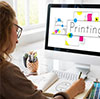
Choosing a Printing Company in Melbourne
A missed event date, an inconsistent brand rollout, a brochure that looks good on screen but flat in hand – these are the moments when choosing the right printing company in Melbourne stops being a routine purchase and starts affecting real business outcomes. For marketing teams, office managers, franchise operators, and agencies, print is rarely just print. It is deadlines, brand standards, budgets, and reputation all bundled into one job.
That is why the best print partner is not simply the cheapest quote or the closest shop. A capable commercial printer helps you get the job right from the beginning, flags issues before they become reprints, and keeps production moving when timing is tight. If your business orders regularly, or manages multiple print items across teams, the value of good support becomes obvious very quickly.
What a printing company in Melbourne should actually deliver
A reliable printing company in Melbourne should do more than put ink on paper. Business buyers usually need a supplier that can handle quoting, file checks, production advice, finishing, packing, and delivery without creating more work for the client. When a project includes brochures, signage, stationery, promotional products, or direct mail, coordination matters as much as print quality.
This is where many buyers get caught. Some printers are set up for basic transactions, not ongoing business support. They may be fine for a one-off flyer run, but less effective when you need versioned artwork, brand consistency across locations, or a mix of short-run and high-volume production. If your team is juggling several campaigns or departments, that gap shows up fast.
A stronger partner will ask practical questions early. What is the piece for? How will it be used? Does it need to mail efficiently, hold up outdoors, or match existing branded materials? Those questions save time because they shape the right stock, finish, format, and production method before the job is locked in.
Quality is not just about sharp printing
Most commercial buyers say they want quality, but quality means different things depending on the job. For a presentation folder, it may be the feel of the stock and the accuracy of brand colors. For NCR books, it is clean numbering, reliable duplication, and durability in daily use. For signage, it is legibility, installation suitability, and how the material performs over time.
That is why judging a printer purely by a sample image or a low headline price can be misleading. A good commercial printer understands how each product performs in the real world. The right advice on paper weight, coatings, folding, finishing, and production tolerances can make a substantial difference to the end result.
There is also a trade-off to consider. Premium finishes and heavier stocks can lift presentation, but they are not always the smart choice. If you are producing a high-volume flyer drop or a short-term promotion, cost efficiency may matter more than a luxury feel. A dependable print partner should be able to guide that decision without pushing you toward unnecessary upgrades.
Service matters most when the job gets complicated
Simple jobs are easy to place almost anywhere. The real test comes when projects have moving parts. Maybe your retail campaign needs posters, window signage, counter cards, and handouts delivered to several locations. Maybe your real estate office needs fast-turn brochures and signboards with changing agent details. Maybe your corporate team needs recurring stationery and branded materials ordered by different staff but kept consistent.
In those situations, responsiveness matters. You need clear communication, practical problem-solving, and a team that takes ownership instead of passing issues back to you. That means checking artwork properly, confirming specs, and speaking up early if a file, finish, or deadline presents a risk.
The strongest suppliers are not passive order takers. They help protect the job. That support is especially useful for businesses that do not have in-house print specialists but still need polished, professional output. A printer with design support, production knowledge, and fulfillment capability can remove a lot of friction from repeat ordering.
The value of end-to-end print support
For many businesses, the biggest hidden cost in print is internal time. Chasing separate vendors for design tweaks, production, signage, mail handling, and promotional items may look manageable at first, but it often slows everything down. Files get duplicated, approvals become messy, and accountability becomes unclear.
An end-to-end provider solves that by managing the project from concept through delivery. That can include artwork setup, print production, finishing, kitting, warehousing, distribution, and even custom online ordering for teams or locations that reorder the same materials frequently.
This approach is especially useful for franchise groups, multi-site businesses, and brand managers who need consistency at scale. It reduces the chance of off-brand materials appearing in the field and gives teams a simpler path to order what they need. For trade buyers and designers, it also helps to have a production partner who understands technical requirements and can execute accurately without constant back-and-forth.
Speed matters, but so does accuracy
Fast turnaround is important. Most business buyers have faced urgent print deadlines caused by late approvals, updated pricing, event date changes, or campaign revisions. A printer that can move quickly is valuable, but speed alone is not enough if it leads to mistakes.
The better standard is controlled speed. That means efficient quoting, prompt proofing, realistic scheduling, and a production process that does not cut corners on file checks or finishing. A delayed job is frustrating, but a rushed job with the wrong version, incorrect trim, or poor finishing can be more expensive in the long run.
It also helps to be realistic about what speed means. Not every product can be turned around at the same pace. Business cards and flyers may be straightforward. Booklets, presentation folders, signage installations, or multi-part campaigns need more coordination. A trustworthy printer will tell you what is possible, what is risky, and where small spec changes might save the deadline.
What business buyers should ask before placing an order
If you are comparing providers, look beyond the first quote. Ask how they handle artwork issues, whether they can support design adjustments, what finishing options they recommend, and how they manage repeat orders. If your business has multiple branches or recurring campaigns, ask whether they offer systems that make reordering easier and more consistent.
You should also ask about product range. A supplier that can manage brochures, magazines, stationery, signage, promotional products, and mailing under one roof is often easier to work with than a patchwork of niche vendors. That does not mean one supplier is always the answer, but for most business buyers, consolidation saves time and improves consistency.
If location is relevant, a printer serving Melbourne should also understand local business expectations around timing, delivery coordination, and presentation standards. But capability matters more than postcode. Many strong commercial printers support clients across metro and regional markets effectively because their systems, production capacity, and customer service are built for business volume.
The right fit depends on your business model
Not every company needs the same kind of printer. A small business ordering occasional flyers may prioritize simplicity and value. A marketing department managing campaigns across print, signage, and branded merchandise needs more strategic support. A real estate group may need fast, repeatable workflows. A designer or trade buyer may care most about prepress accuracy and dependable production standards.
That is why the best choice depends on how your organization buys print. If your needs are recurring, multi-location, brand-sensitive, or deadline-driven, it pays to work with a printer that operates like a partner rather than a storefront. That level of support is where companies such as Dynamite Printing stand apart – not by making print sound complicated, but by handling the complexity properly so the client does not have to.
The right print partner should make your job easier, protect your brand, and help you hit deadlines without unnecessary drama. When that happens, print stops being a procurement headache and becomes what it should be – a dependable part of how your business shows up in the market.
Good print buying is not about finding a vendor for one order. It is about backing your team with people who care enough to get the details right, every time.